Why is Gen Z blurring the lines between banks and payment apps
For a generation that grew up with P2P apps and near-instant financial services, the traditional safety net of federal deposit insurance is now functionally invisible. New data from The Interledger Foundation reveals that 50% of Gen Z sees Cash App as a bank, a shift that hands the competitive advantage directly to frictionless fintech innovators.
-
Nikita Alexander
- October 23, 2025
- 4 minutes
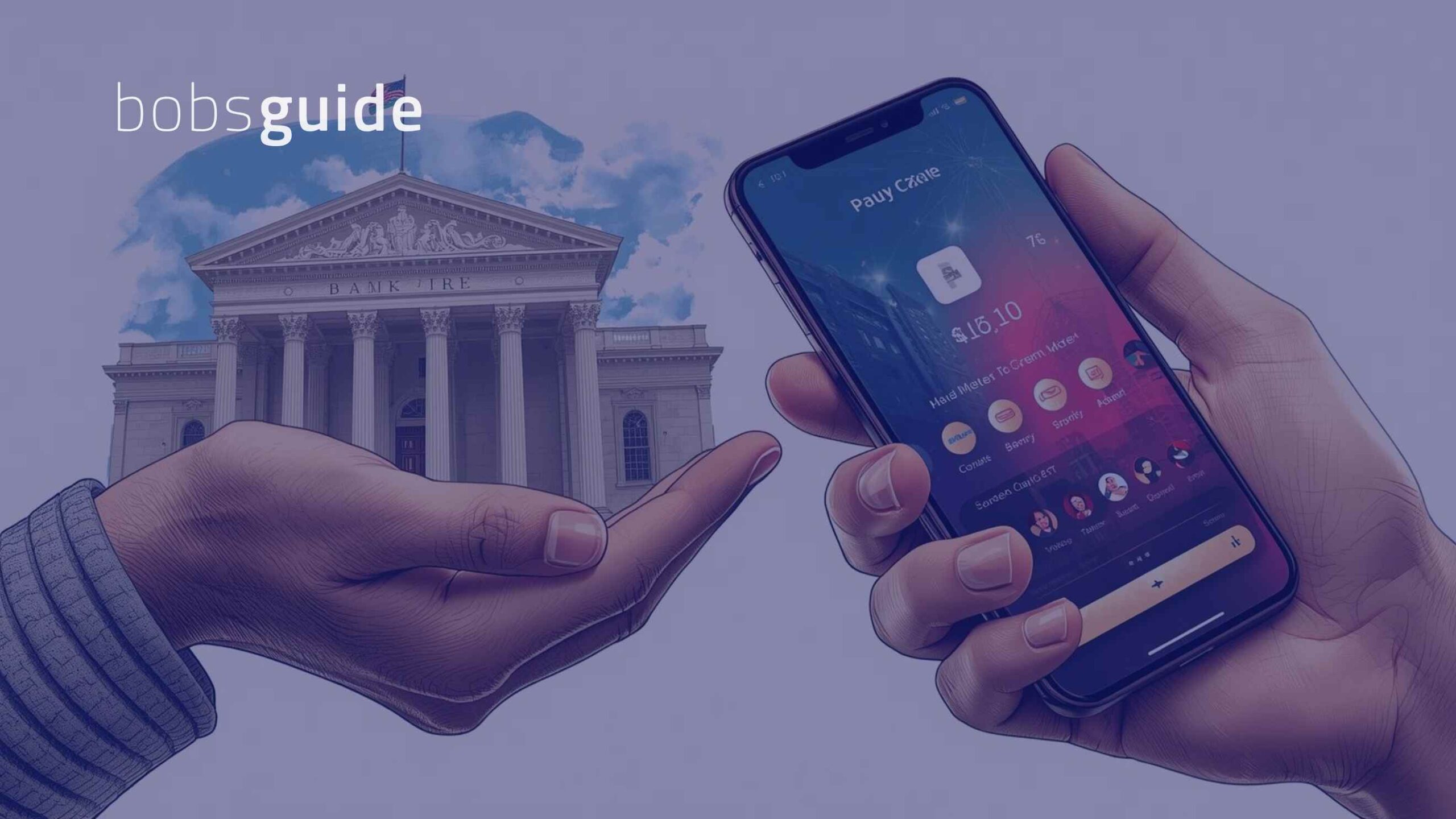
A new report reveals that the competitive advantage of traditional banking deposit security is losing traction with digital-native generations. Creating a massive opportunity for non-bank fintech providers in the US and beyond.
A seismic shift is underway in the financial landscape, driven by Gen Z’s evolving perception of what a “bank” truly is. New data from The Interledger Foundation (ILF), published in their inaugural Future of Digital Finance Series report, A Cashless Country and the Future of Banks–Consumer Perspectives, exposes a critical disconnect between the traditional safety net of regulated institutions and the priorities of the next generation of financial consumers.
The core finding is stark: 56% of Gen Z respondents are unaware that only traditional banks can offer Federal Deposit Insurance Corporation (FDIC) insurance, which safeguards deposits up to $250,000. This is in sharp contrast to 80% of Boomers who are well aware of this distinction. This lack of knowledge is not simply an educational gap; it’s a symptom of a fundamental re-evaluation of value in financial services.
The ‘Bank’ Identity Crisis: Function Over Regulation
For decades, the definition of a bank was clear, rooted in its charter, regulatory oversight, and the security of deposit insurance. Today, that definition is functionally obsolete in the eyes of many young consumers.
The ILF report illustrates this blurring of lines with a critical data point: 50% of Gen Z respondents incorrectly identified Cash App as a bank. For comparison, only 56% of Gen Z correctly classified major institution JPMorgan Chase as a bank.
This perception gap highlights that younger consumers view “banking” not as an exclusive service offered by chartered institutions, but as a category of services delivered with speed and convenience.
- Traditional Bank (JPMorgan Chase): 64% of all consumers classified as a bank.
- Fintech App (Cash App): 31% of all consumers classified as a bank.
- Gen Z View (Cash App): 50% classified as a bank.
The functional definition is winning: If an app allows a user to store money, transact via peer-to-peer (P2P) transfers, and offer low fees, it meets the criteria for a “bank” in the digital-native consciousness, regardless of its underlying regulatory status or insurance mechanism. This poses an immediate, existential threat to the competitive moat that traditional institutions have long relied upon.
FDIC Insurance is No Longer a Top Priority
The dwindling importance of traditional safeguards is further reflected in Gen Z’s priorities when choosing where to store and transact their money.
When ranking the most important features, Gen Z prioritized:
- Security from Fraud: 43%
- Peer-to-Peer Payments: 36%
- Low/No Fees: 35%
In contrast, only 31% of Gen Z ranked FDIC insurance as a top deciding factor. This demonstrates a clear trade-off where convenience, cost, and P2P functionality outweigh the long-term, systemic safety provided by deposit insurance.
This data is a mandate for payments providers: focus on security, instant transfer capabilities, and transparent fee structures. For traditional banks, it means their longstanding competitive advantage: the perceived safety of their regulated status, is no longer enough to win the youngest demographic. They must now compete on features and user experience, areas where fintechs often hold a strong lead.
The Privacy Paradox: Cash Holdouts and Open Finance
While Gen Z is embracing digital alternatives, the ILF report reveals a significant number remain cautious about fully abandoning cash, a concern that ties directly into the cybersecurity and digital identity discourse.
Despite being the most digitally fluent generation, 51% of Gen Zers cite privacy concerns as a key reason for not giving up cash entirely. They prefer cash because it enables transactions “that are not tracked by the government or companies.” This is particularly notable given that the Gen Z cohort is constantly trading personal data for services on social media.
This “Privacy Paradox” creates a second crucial opportunity for the next generation of digital payments infrastructure. As Briana Marbury, President & CEO of the Interledger Foundation, noted, the findings “reveal the need for safe and affordable digital payments infrastructure across the US.”
The demand is not just for digital; it’s for private digital.
The payments ecosystem must find solutions, such as those advocated by the ILF’s mission for an open, interoperable payment network that can offer the convenience of digital transactions while incorporating privacy safeguards and user-controlled data permissions, effectively making digital payments as anonymous as cash when the user desires.
The path forward is clear: success will be found in developing open payments solutions that seamlessly blend the high-security demanded by all consumers, the low-fee convenience expected by Gen Z, and the privacy and interoperability needed to win over the final holdouts from a cashless society.