Budget squeeze of digital breeze? Reflections on the UK Autumn Budget
In a budget marked by soaring taxes and lofty promises, fintech startups in the UK are bracing for a tough new reality. At the heart of Chancellor Rachel Reeves’ Autumn Budget is a significant hike in National Insurance and Capital Gains Tax—two moves that could hit fintechs where it hurts most: hiring and growth potential. […]
-
Rachael Kennedy
- November 1, 2024
- 5 minutes

In a budget marked by soaring taxes and lofty promises, fintech startups in the UK are bracing for a tough new reality. At the heart of Chancellor Rachel Reeves’ Autumn Budget is a significant hike in National Insurance and Capital Gains Tax—two moves that could hit fintechs where it hurts most: hiring and growth potential.
With National Insurance contributions rising to 15% and Capital Gains Tax climbing up to 24% for higher-rate payers, the immediate impact for ambitious fintech founders is clear: expanding a team just got more expensive, and attracting investor interest may be tougher.
While the Chancellor has laid out a roadmap filled with plans for digital transformation, R&D funding, and AI innovation, fintech startups might find little solace in these high-level, public sector-focused commitments. For an industry defined by fast growth and lean scaling, these policy shifts could put a strain on resources, especially at a time when fintechs are already navigating a competitive landscape.
So, the question lingers: can the UK’s fintech sector thrive under the weight of rising costs, or are the budget’s promised tech advancements merely a distant beacon?
Reading between the lines
The Chancellor’s budget may tout a forward-looking vision, but the fine print reveals a series of hurdles that fintech founders will need to clear to stay competitive. Not only are payroll costs set to rise with the higher National Insurance rate and increased National Living Wage, but the hike in Capital Gains Tax adds an extra sting for early-stage investors and founders looking to scale.
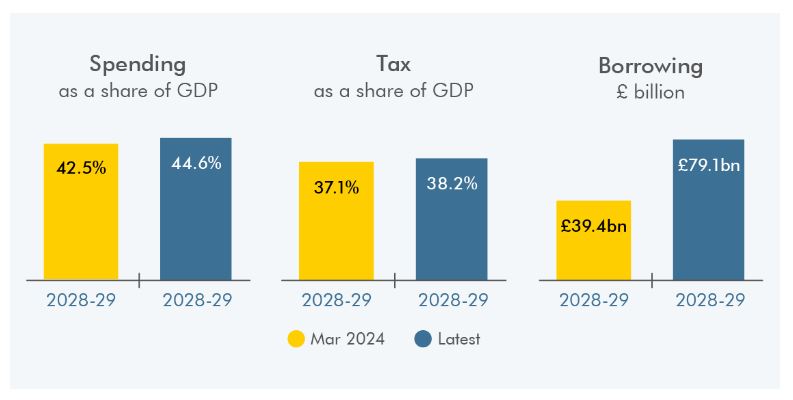
For tech and fintech startups that often rely on equity-based incentives to attract top talent, these tax changes could dampen the entrepreneurial spirit that has fueled the sector’s rapid growth. And while Business Asset Disposal Relief (formerly Entrepreneur’s Relief) has been preserved, its reduced threshold limits its utility for founders hoping to reward their early investors.
Then, there’s the question of R&D. With £20.4 billion in research funding on offer, the budget theoretically signals a bright future for innovation. However, much of this funding remains earmarked for universities and large-scale national projects. For the typical fintech founder, already feeling the pinch from rising costs, accessing these funds could prove challenging.
As many fintech leaders have pointed out, tax reliefs and incentives in the UK are already losing ground to more favorable schemes in neighboring countries—a trend that, if it continues, could result in a “brain drain” as companies and talent look elsewhere for a more supportive environment.
Meanwhile, the government’s focus on digital transformation across the public sector might open some doors. The NHS’s £2 billion tech investment and the upcoming Digital Transformation Roadmap for HMRC underscore the public sector’s commitment to tech innovation. For fintech companies with the capability to offer solutions in digital infrastructure, compliance, or cybersecurity, these initiatives could present new market opportunities, albeit indirectly.
However, fintech startups without direct ties to public-sector services may find themselves left out of this transformation boom.
Growth, or no growth?
With these new cost pressures looming, many fintech founders are questioning whether the UK’s budget truly supports their growth—or simply pays lip service to it. Although the Chancellor’s corporate tax roadmap and the planned AI Opportunities Plan are framed as pillars of a modernized, tech-friendly economy, they lack immediate clarity on how fintechs and tech startups can tangibly benefit. For businesses focused on scaling quickly, the government’s promises of long-term investment in areas like AI and R&D feel more like distant goals than immediate support.
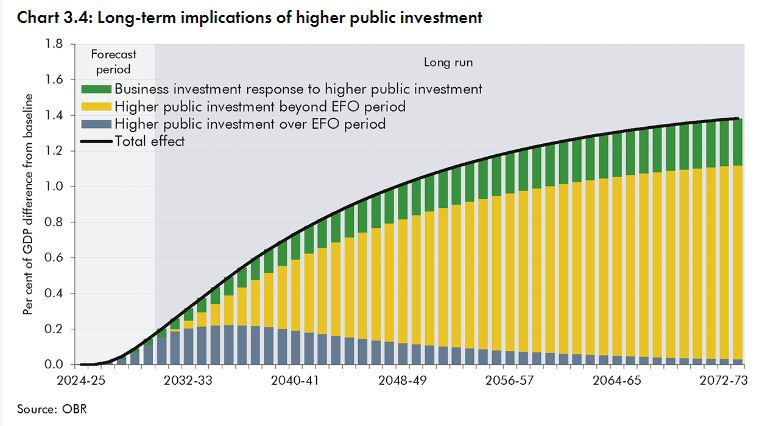
One of the more concrete commitments is the £500 million earmarked for Project Gigabit and the Shared Rural Network, targeting broadband expansion across underserved regions. For fintech companies outside major tech hubs, this expansion could enhance connectivity and support digital transformation efforts. Yet, the promised infrastructure uplift seems almost ironic against the backdrop of increasing operational costs and tax hikes that may deter growth in the very regions the government aims to empower.
Meanwhile, on the talent front, the government’s mission to develop a more digitally adept workforce through initiatives like the Made Smarter Adoption Programme and the SME Digital Adoption Taskforce holds potential—especially for fintechs working to broaden tech adoption. But again, the effect is likely to be indirect.
For early-stage fintechs that thrive on talent mobility and competitive hiring practices, the increased costs associated with National Insurance and minimum wage hikes present an uphill battle. What’s more, as startups are squeezed on labor expenses, they might face stiff competition from larger firms better positioned to absorb the added financial strain.
This blend of tax hikes, long-term tech investments, and an emphasis on public sector digitalization leaves fintech leaders facing tough decisions. Growth-oriented founders may be compelled to rethink their operational models, with some potentially shifting hiring strategies or looking overseas for expansion. The fear of a “brain drain” looms large, as other countries offer more competitive tax environments and R&D incentives that could attract talent and investment away from the UK.
What comes next?
In an industry that thrives on agility and speed, the Autumn Budget’s promises may feel like a double-edged sword—raising the immediate cost of innovation while laying out a high-level vision for a tech-driven future.
Fintechs must now weigh whether the UK’s fiscal landscape can support their ambitions or if the path to growth requires looking beyond national borders. As the sector continues to grapple with these challenges, one thing is certain: navigating this new budget will require as much innovation off the balance sheet as on it.