The cybersecurity talent crunch
The industry faces a critical shortage of cybersecurity talent, threatening its ability to protect sensitive data and maintain stability.
-
Nikita Alexander
- February 19, 2025
- 6 minutes

The financial services industry faces a critical challenge, a severe shortage of skilled cybersecurity professionals. This talent crunch poses a significant threat. It impacts banks, insurance companies, and investment firms. They need professionals to protect their systems and customer data. Ultimately, this shortage endangers the stability and security of the entire financial system. Industry leaders and policymakers must take proactive steps to address this growing concern.
The escalating cyber threat landscape
Financial institutions are prime targets for cybercriminals because they hold vast amounts of sensitive financial data. In 2023 alone, the global financial services industry experienced a 238% increase in ransomware attacks. This highlights the growing threat landscape. These attacks can have serious repercussions. They can disrupt operations, compromise customer data, and lead to significant financial losses. Furthermore, the increasing reliance on technology creates new vulnerabilities. The interconnectedness of the financial system also adds to the challenge. Consequently, institutions find it more difficult to defend against cyber threats.
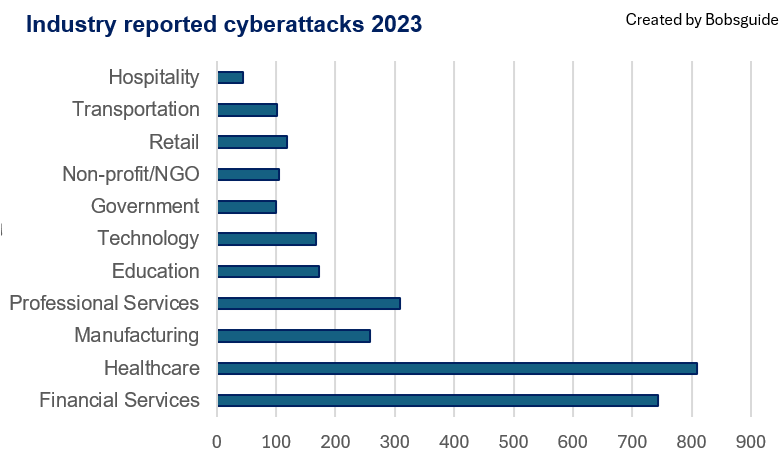
According to data from stastista. In the United States, financial services was the second most targeted industry by cyberattacks in 2023, only slightly behind healthcare.
Factors fueling the talent shortage
Several factors contribute to this cybersecurity talent crunch. First, the increasing reliance on technology drives up demand. Moreover, cyberattacks are becoming more sophisticated. This creates a surge in demand for cybersecurity professionals. Financial institutions must compete with other industries for this limited talent pool. This includes sectors like technology and government.
Second, a skills gap exists. The cybersecurity landscape is constantly evolving. Professionals need advanced skills. These skills include areas like cloud security, threat intelligence, and data privacy. However, many candidates lack this expertise. Traditional education programs often struggle to keep pace with the rapidly changing threat landscape. Third, competition is fierce. Financial institutions face challenges in attracting and retaining top talent. Other industries often offer higher salaries and more attractive benefits packages.
Finally, the cybersecurity field lacks diversity. This limits the potential talent pool and hinders innovation and problem-solving.
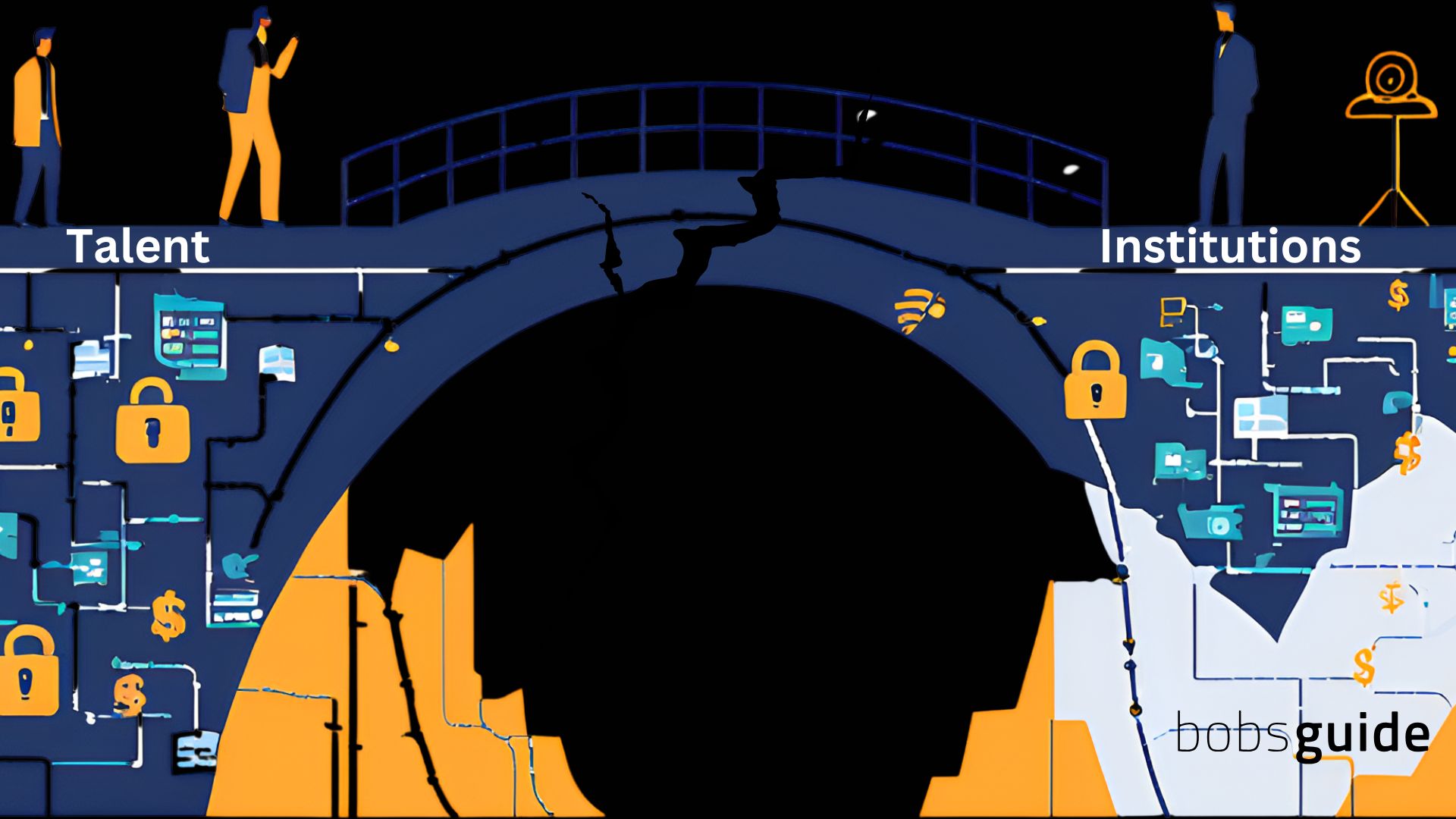
Impact on financial institutions
This talent crunch has significant consequences. Firstly, it increases the risk of cyberattacks with a shortage of skilled professionals leaving companies vulnerable. Cyberattacks can have serious repercussions like resulting in financial losses, reputational damage, and regulatory penalties. Moreover, they can disrupt operations and compromise customer data resulting in damaging the trust that customers place in financial institutions.
Secondly, it hinders innovation. Companies may delay or scale back innovation initiatives because they lack the cybersecurity resources to protect new products and services. It prevents financial institutions from keeping pace with the evolving needs of their customers.
It also leads to higher costs. Competition for talent drives up salaries and recruitment costs adding pressure on company budgets. Financial institutions may need to invest heavily in training and development programs to upskill their existing workforce and attract new talent.
Strategies to address the talent shortage
Financial institutions and industry stakeholders can take proactive steps to mitigate this growing concern and ensure they have the talent necessary to navigate the complex cybersecurity landscape. Here are some key strategies:
-
Invest in training and development:
- Upskilling existing employees: Companies should prioritize investing in comprehensive training programs to enhance the cybersecurity skills of their current workforce. This can include offering certifications, workshops, and online courses in areas like cloud security, threat intelligence, and incident response.
- Attracting new talent: To bring in fresh perspectives and expertise, institutions can offer scholarships, apprenticeships, and mentorship programs specifically targeted at aspiring cybersecurity professionals. These initiatives can help build a pipeline of qualified candidates and foster a passion for cybersecurity careers.
- Creating a culture of learning: Encourage continuous learning by providing access to online resources, industry conferences, and opportunities for professional development. This fosters a growth mindset and ensures employees stay abreast of the latest cybersecurity threats and technologies.
-
Promote diversity and inclusion:
- Broaden the talent pool: Actively recruit members of the LGBTQ+ community, Indigenous peoples, marginalized groups who bring diverse perspectives and experiences to the cybersecurity field. This can lead to more creative problem-solving and a richer understanding of the threat landscape.
- Foster an inclusive culture: Create a welcoming and supportive environment where everyone feels valued and respected. This can be achieved through diversity training, mentorship programs, and employee resource groups.
- Challenge unconscious bias: Implement blind recruitment processes and utilize tools that promote diversity in hiring. This helps ensure that candidates are evaluated based on their skills and qualifications, not their background.
-
Collaborate with academia:
- Develop relevant curricula: Partner with universities and colleges to design cybersecurity programs that align with the specific needs of the financial services industry. This ensures graduates possess the skills and knowledge required for real-world cybersecurity roles.
- Provide practical experience: Offer internships, co-op programs, and research opportunities to students interested in cybersecurity. This gives them valuable hands-on experience and helps them develop industry-relevant skills.
- Facilitate knowledge transfer: Invite academics and researchers to share their expertise with industry professionals through workshops, guest lectures, and joint research projects. This fosters collaboration and ensures the industry benefits from the latest academic advancements in cybersecurity.
-
Leverage technology:
- Automate routine tasks: Utilize automation and artificial intelligence to handle repetitive tasks such as vulnerability scanning and threat detection. This frees up cybersecurity professionals to focus on more strategic initiatives like threat hunting and incident response.
- Enhance threat intelligence: Implement advanced analytics and machine learning algorithms to analyze vast amounts of security data and identify potential threats more effectively. This proactive approach helps institutions stay ahead of cybercriminals.
- Improve incident response: Utilize technology to automate incident response processes, allowing for faster containment and mitigation of cyberattacks. This minimizes damage and reduces downtime.
The cybersecurity talent crunch isn’t just a statistic; it’s a ticking time bomb. Failing to address this looming crisis could have devastating consequences, from crippling cyberattacks to stifled innovation. But there is hope. By embracing proactive strategies like investing in talent development, fostering diversity, collaborating with academia, and leveraging technology, financial institutions can defuse this bomb and fortify their defenses.
This isn’t just about protecting data and systems; it’s about safeguarding trust. The financial industry relies on public confidence, and every cyberattack erodes that foundation. By building a robust and diverse cybersecurity workforce, financial institutions can demonstrate their commitment to protecting customer data and maintaining the stability of the financial system.
The challenge is significant, but the stakes are too high to ignore. It’s time for the financial services industry to take decisive action, invest in its future, and ensure that cybersecurity talent is no longer a scarce commodity, but a powerful asset.