How the Hormuz blockade is stress-testing fintech AML frameworks
The escalating standoff in the Strait of Hormuz has evolved into a high-stakes compliance crisis for the financial sector. As US-enforced blockades disrupt global shipping, fintechs and insurers face a surge in Trade-Based Money Laundering (TBML) risks and the daunting task of unwinding weeks of opaque maritime activity.
-
Nikita Alexander
- April 23, 2026
- 3 minutes
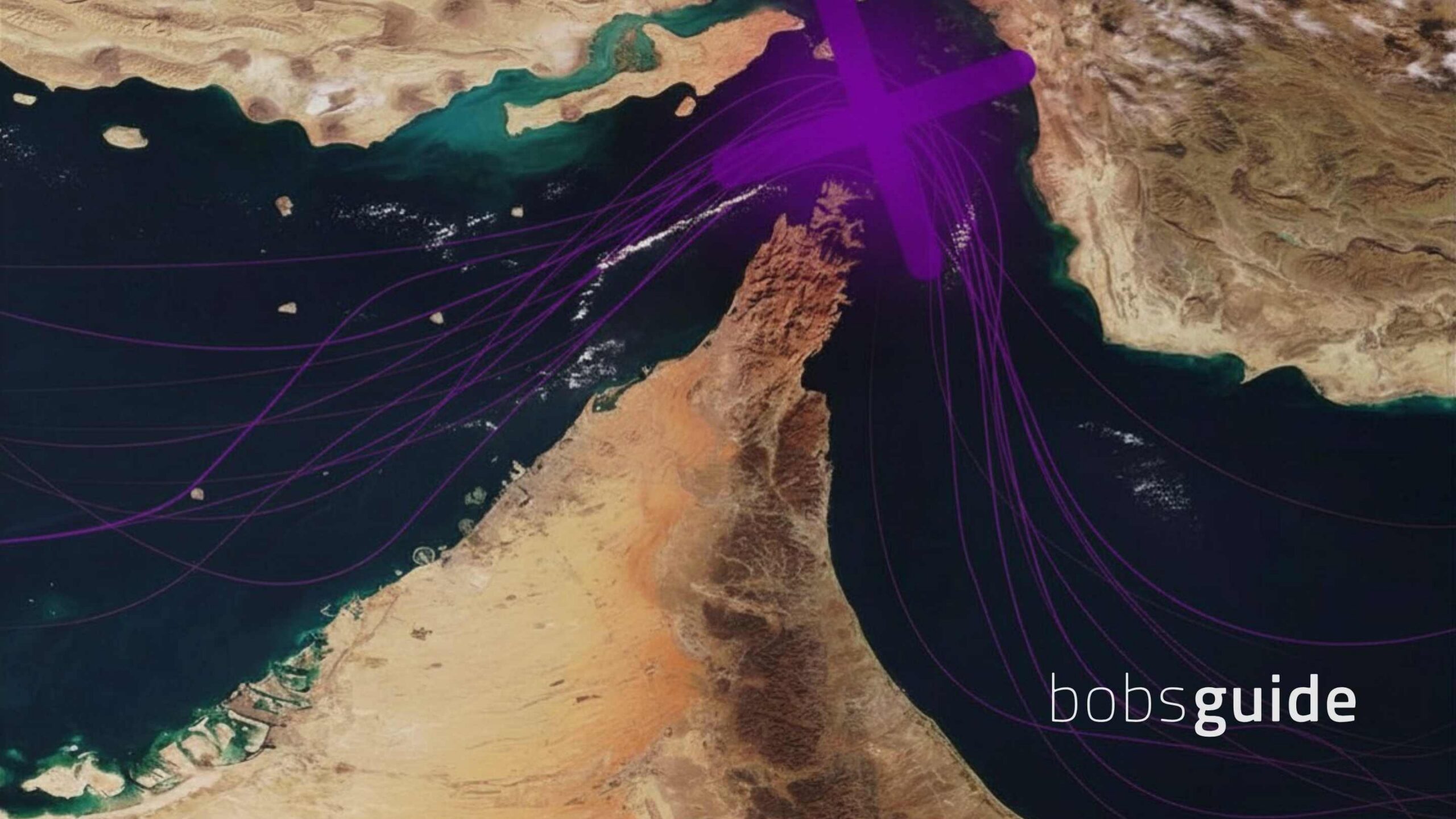
The recent escalation in the Strait of Hormuz, shifting from localized regional tension to a US-enforced blockade targeting Iranian port traffic has sent ripples far beyond the shipping lanes. For fintechs, insurers, and global financial institutions, this isn’t just a logistics crisis; it is a fundamental reshaping of Anti-Money Laundering (AML) and sanctions risk.
As the US and Iran remain at a standoff, the financial infrastructure supporting global trade is facing a “geopolitical shock” that exposes the limitations of static compliance models.
The New Compliance Headache: Opaque Activity and TBML
The primary challenge for financial institutions (FIs) isn’t just identifying a sanctioned entity; it’s the sudden “graying” of legitimate trade data. When vessels reroute or turn back under security constraints, their historical patterns break, making automated monitoring systems flag thousands of false positives or, worse, miss genuine evasion.
Becki LaPorte, Principal of AML Strategy and Innovation at FinScan, warns that this disruption is a catalyst for Trade-Based Money Laundering (TBML).
“The disruption is creating a surge in trade-based money laundering risk, as rerouted shipments, volatile pricing, and rapidly changing documentation make it significantly harder for banks and insurers to distinguish legitimate trade from sanctioned or illicit activity embedded within global supply chains,” LaPorte notes.
For fintechs providing trade finance or insurance-as-a-service, this means “business as usual” is no longer an option. Underwriting has effectively become a frontline sanctions control, requiring real-time reassessments of vessel history and hidden counterparty risks.
A Lasting Stress Test, Not a Temporary Glitch
There is a common misconception that once the Strait reopens, the compliance burden will vanish. However, the backlog of delayed shipments and the “unwinding” of weeks of opaque activity will likely invite intense regulatory scrutiny from bodies like the FCA and OFAC for months to come.
Key industry themes currently being tested include:
-
Vessel History & Ownership: Tracking “ghost fleets” and identifying if a ship has interacted with sanctioned Iranian port traffic during the blockade.
-
Dynamic Risk Reassessment: The ability for fintech platforms to update risk scores instantly as geopolitical boundaries shift.
-
Regulatory Fragmentation: Navigating conflicting sanctions expectations between different jurisdictions if enforcement consistency breaks down.
Actionable Strategies for Financial Institutions
To navigate this landscape, we suggest the following technical and strategic pivots:
-
Enhanced Document Verification: Moving beyond basic KYC to utilize AI-driven tools that can spot anomalies in bills of lading and invoices that may have been altered to hide Iranian origins.
-
Real-Time AIS Integration: Financial institutions should integrate real-time Automatic Identification System (AIS) data into their AML workflows to monitor for “dark activity” (vessels turning off transponders).
-
Stress-Testing Sanctions Frameworks: Conducting “what-if” simulations on current portfolios to see how a prolonged blockade would impact liquidity and compliance overhead.
As LaPorte emphasizes, even if tensions ease tomorrow, the need for frameworks that can adapt to geopolitical shocks is the new baseline for the industry. The consistency that global compliance depends on is under threat; fintechs that can maintain technical rigor during this breakdown will be the ones that survive the next crisis.